TEAM
Andrey Tvardovskiy, Ph.D., Principal Investigator

Andrey is an Assistant Professor in the Department of Biochemistry and Biophysics and a Core Member of the Epigenetics Institute at the University of Pennsylvania. His research program integrates quantitative proteomics and chromatin biology to decode the epigenetic mechanisms that govern genome function and determine how their dysregulation contributes to aging and disease.
During his doctoral work in Ole N. Jensen’s laboratory, Andrey developed and applied quantitative mass spectrometry approaches to dissect the molecular complexity and functional interplay of histone post-translational modifications. His doctoral research provided the first comprehensive quantitative analysis of lifelong changes in combinatorial histone modification patterns and histone sequence variants, offering new insights into the mechanisms that may drive chromatin reorganization during aging.
As a postdoctoral researcher in Till Bartke’s laboratory at Helmholtz Munich, Andrey investigated how nuclear proteins interpret complex chromatin modification landscapes to control fundamental genomic processes. His work contributed to the first systematic characterization of how combinatorial modification patterns define and regulate distinct functional chromatin states.
Kevin A. Janssen, Ph.D., Research Associate
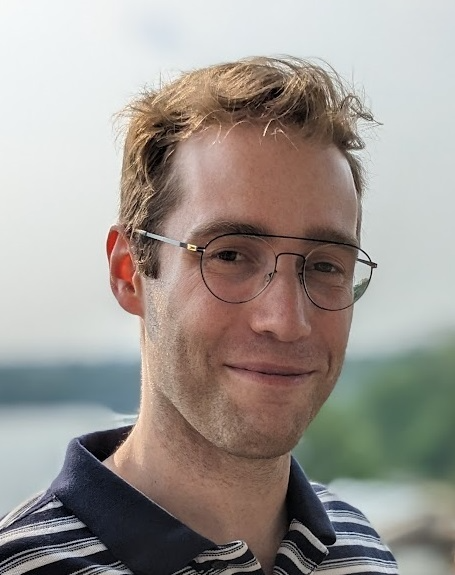
Kevin A. Janssen is an expert in quantitative mass spectrometry and the analysis of protein and RNA modifications. He earned a PhD in Biochemistry and Molecular Biophysics at the University of Pennsylvania in Benjamin Garcia’s laboratory, where he developed approaches for profiling individual and combinatorial histone modifications, as well as modified ribonucleosides. He then completed postdoctoral training in Douglas Wallace’s laboratory at CHOP’s Center for Mitochondrial and Epigenomic Medicine, expanding his research into mitochondrial biology and disease.
Kevin’s research interests bridge mitochondrial metabolism and epigenetic regulation. He investigates communication between the nucleus and mitochondria, age-related changes in histone modifications and variants, and the dysregulation of oxidative phosphorylation complexes.
His long-term goals include developing strategies to import RNA into mitochondria, defining functionally distinct mitochondrial subpopulations, and determining how diet and metabolism influence the epigenome.
